You switched to home-cooked meals. You eat more vegetables, avoid fast food and try to make healthier choices. Yet the weighing scale barely moves.
If you've been wondering, "why am I not losing weight?", you're not alone.
For many Indians, the problem isn't necessarily unhealthy food. It is the extra roti, second serving of rice, sugary chai, spoon of ghee or handful of namkeen that quietly becomes part of everyday eating.
Healthy eating and weight loss are connected, but they are not the same thing. Food quality matters, but so do portions, meal balance and the habits surrounding your meals.
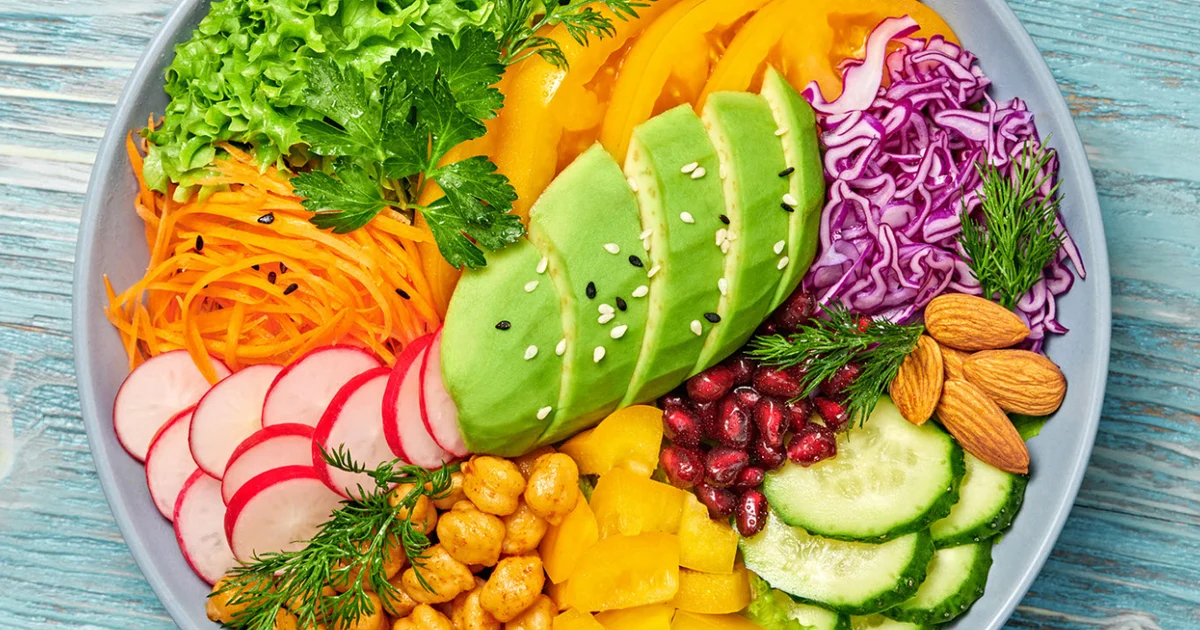
One of the biggest weight loss tips is also one of the easiest to misunderstand: healthy food still contains calories.
Roti, rice, dal, nuts, paneer, curd and homemade sabzi can all be part of a healthy diet. But portions still matter.
Consider a typical day. You may have poha for breakfast, dal-rice for lunch, chai with biscuits in the evening and roti-sabzi for dinner. None of these foods is inherently unhealthy.
But add generous portions, extra oil, ghee, sugary chai, second servings or frequent snacks, and your overall intake can become much higher than expected.
The problem is not Indian food.
It is assuming that "healthy" automatically means "right for your weight loss goal."
Many Indian eating habits are built around food being shared, served generously and enjoyed during social occasions.
An extra roti is easy to accept. Rice gets refilled before you think about it. Chai often comes with biscuits or namkeen. Weekend meals may be heavier than weekday meals. Family celebrations can involve sweets even when you're trying to stay consistent.
These habits are normal. But repeated often enough, they can influence your weight loss journey.
The challenge becomes even greater because homemade food is difficult to estimate precisely. The amount of oil in a sabzi, ghee on a roti or sugar in chai can vary considerably between households.
That is why awareness matters more than simply labelling foods as "good" or "bad."
Another common mistake is confusing healthy eating with a healthy diet that is balanced.
A meal can contain nutritious ingredients and still lack the right balance of protein, carbohydrates, fats and fibre.
For example, a meal centred heavily around rice or roti with very little protein may leave you hungry again soon. That can make evening snacking or larger portions more likely.
For weight loss for Indians, this does not mean eliminating rice, roti or other familiar foods. It means understanding how they fit into the overall meal.
A better approach is to build meals around a sensible combination of protein, vegetables, carbohydrates and healthy fats, while keeping portions appropriate for your needs.
One of the most practical weight loss tips is to track your food before making drastic changes.
Not because every calorie needs to be perfect, but because memory is unreliable.
You may remember your main meals while forgetting the chai, biscuits, tasting while cooking, second serving, office snack or weekend dessert.
A nutrition tracker can make those patterns visible.
This is where Nutriiya can help Indian users. Through AI-powered meal scanning, manual logging and editable estimates, Nutriiya makes it easier to track familiar foods such as dal-rice, roti-sabzi, poha, dosa-sambar, khichdi, biryani and thali.
More importantly, it can help users spot the small changes that are easy to miss: larger portions, repeated second servings, frequent snacks and calories from oil, ghee or sugary drinks.
AI estimates are not perfect. Homemade recipes and portion sizes vary. But having a practical starting point is often more useful than relying entirely on memory.
The goal is not obsessive tracking.
It is better awareness.
There is no single Indian diet that works for everyone.
A vegetarian office worker, a non-vegetarian athlete, a student living in a hostel and a parent eating family meals will all have different routines.
Instead of copying someone else's diet, build an approach around your actual life.
Keep familiar foods but become more aware of portions. Include a protein source in your meals. Pay attention to oil, ghee, sugar and liquid calories. Track snacks and second servings instead of ignoring them. Make your weekday and weekend eating patterns more consistent.
These are more sustainable weight loss tips than eliminating entire food groups without understanding why.
Eating healthy is an excellent foundation, but it is not a guarantee of weight loss.
For many Indians, the difference lies in portions, meal balance and everyday Indian eating habits that are easy to overlook.
A sustainable weight loss journey is not about abandoning your Indian diet. It is about understanding what you eat, how much you eat and which habits repeat often enough to affect your results.
Nutriiya helps make that process easier by bringing greater visibility to real Indian meals, portions and everyday eating patterns.
Because eating better matters.
But knowing exactly what you're eating matters too.
Share this blog on: